Reducing food waste at home is a win-win for both your wallet and the planet. With the right habits and a bit of planning, you can cut down on the amount of food that ends up in the trash while making the most of the groceries you buy. This guide offers practical tips and easy-to-follow steps to help you reduce food waste in your daily life.
Why Reducing Food Waste Matters
Food waste is a significant issue worldwide. When food is thrown away, all the resources used to produce it—water, energy, labor—are lost as well. Additionally, decomposing food in landfills produces methane, a potent greenhouse gas. By reducing food waste at home, you contribute to conserving resources and minimizing environmental impact.
Plan Your Meals Ahead of Time
Make a Weekly Menu
Planning your meals for the week helps you buy only what you need. Write down recipes or meal ideas for each day to create a focused shopping list.
Shop with a List
Using your meal plan as a guide, make a detailed grocery list. Stick to it to avoid impulse buys that might go unused.
Buy Smaller Quantities
If you live alone or with a small household, consider purchasing smaller portions or buying loose items instead of pre-packaged ones.
Smart Shopping Habits
Check Your Pantry First
Before heading to the store, check what you already have at home. This prevents you from buying duplicates that might expire before use.
Choose Perishable Items Last
While shopping, pick your fresh produce and dairy products near the end. This keeps them cooler and fresher longer.
Understand Expiration Labels
“Sell by,” “best before,” and “use by” dates can be confusing. Many foods are still safe to eat after these dates, so learn the difference to avoid discarding good food prematurely.
Practice Proper Storage
Use the Right Containers
Store leftovers and fresh food in airtight containers to maintain freshness and prevent spoilage.
Keep Your Fridge Organized
Place older food in front so you use it first, and store fruits and vegetables in designated drawers with proper humidity settings.
Freeze Surplus Food
If you won’t use food before it spoils, consider freezing it. Many items, from bread to cooked meals, freeze well and retain their quality.
Make Use of Leftovers
Get Creative with Recipes
Transform leftovers into new dishes, such as soups, stir-fries, or sandwiches. This can turn a bland leftover into a delicious meal.
Share with Family or Neighbors
If you have excess food, share it with friends, family, or neighbors instead of throwing it away.
Compost Food Scraps
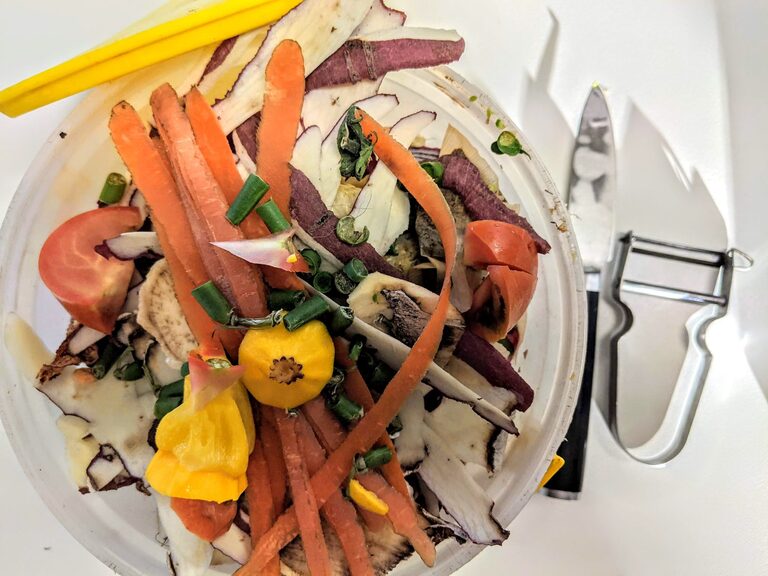
For unavoidable waste like peels and cores, composting is an excellent way to recycle nutrients back into the soil.
Manage Portions Wisely
Serve Smaller Amounts
Start with smaller servings and go back for seconds if still hungry. This reduces uneaten food on plates.
Use Smaller Plates
Studies show that using smaller plates can help control portion sizes and reduce food waste.
Grow Your Own Food
Start a Small Garden
Growing herbs, vegetables, or fruits at home means you can harvest what you need, reducing excess and waste.
Harvest at the Right Time
Pick produce when ripe to avoid spoilage, and preserve extras by drying or freezing.
Educate and Involve Everyone
Teach Family Members
Encourage everyone in your household to be mindful of food waste by sharing these tips.
Create a Food Waste Journal
Track what gets thrown away for a week to identify patterns and areas to improve.
—
By adopting these habits, you can significantly reduce food waste at home. Not only will you save money, but you’ll also be making a positive impact on the environment. Start with one or two changes and build from there—every small step counts!