
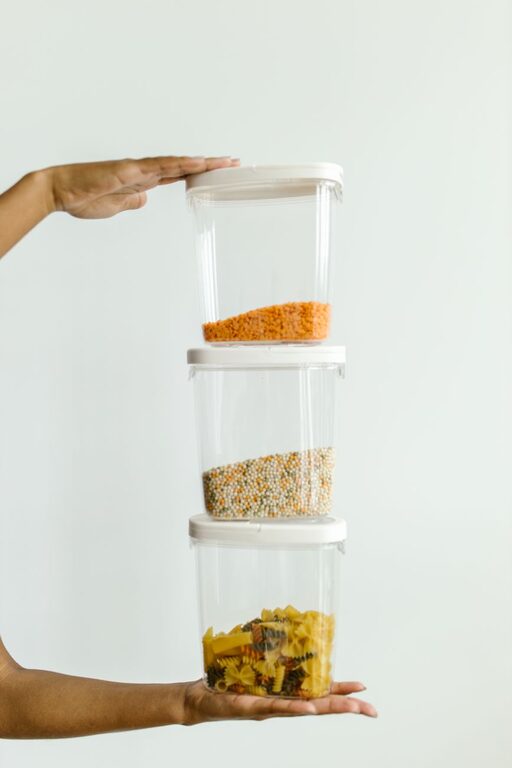
When life gets busy, planning meals can sometimes feel overwhelming. But did you know that your pantry can be your best ally in whipping up quick and satisfying dishes? Pantry staples—those long-lasting ingredients you always have on hand—are the foundation for countless meals. With a bit of planning and creativity, you can turn what’s already in your kitchen into delicious dinners that nourish your family and save you both time and money.
In this post, we’ll explore practical ways to plan meals using pantry staples, how to organize your pantry for easy access, and some recipe ideas to get you started.
What Are Pantry Staples?
Pantry staples are non-perishable or long-lasting ingredients kept in your kitchen cupboards. These commonly include:
– Dry goods like rice, pasta, flour, and beans
– Canned items such as tomatoes, beans, vegetables, and broth
– Baking essentials like sugar, baking powder, and oils
– Spices and herbs for flavoring
– Condiments like soy sauce, vinegar, and mustard
Having these basics means you’re always ready to cook, even if you haven’t been to the grocery store recently.
Benefits of Planning Meals from Pantry Staples
– Convenience: You don’t have to rush to the store last minute.
– Cost-effective: Using what you have reduces food waste and extra spending.
– Reduces stress: Knowing you have ingredients on hand helps with decision-making.
– Encourages creativity: Combining staples in different ways leads to exciting new dishes.
Step 1: Take Inventory of Your Pantry
Start by assessing what you already have. This helps avoid duplicate purchases and sparks ideas for meals.
– Pull everything out and categorize items (grains, canned goods, spices, etc.)
– Check expiration dates and toss anything expired.
– Note which items you use often and which you could restock.
Consider keeping a list on your fridge or phone so you can easily update it as you use ingredients.
Step 2: Choose a Meal Planning Method That Fits You
You can plan meals weekly, bi-weekly, or even monthly depending on your lifestyle. Here are a few methods:
– Template planning: Create a weekly meal outline (e.g., pasta Monday, soup Tuesday).
– Theme nights: Assign themes like Taco Tuesday or Stir-fry Friday.
– Flexible ingredient planning: Pick a few key pantry staples each week and plan meals around them.
Using a meal-planning app or a simple calendar can help track your ideas.
Step 3: Focus on Versatile Staples and Mix-and-Match
Some pantry staples are incredibly flexible and can be used in multiple dishes. Examples include:
– Rice: Side for stir-fries, base for rice bowls, or in soups.
– Canned tomatoes: Great for pasta sauce, chili, or stews.
– Beans: Add to salads, make spreads, or use in soups.
– Pasta: Pair with various sauces, vegetables, or proteins.
By combining these with fresh or frozen ingredients you have, you can create balanced meals.
Step 4: Keep Your Pantry Organized for Easy Access
A cluttered pantry can make meal planning harder. Try these tips to maintain order:
– Use clear, labeled containers for dry goods.
– Group similar items together so you can find them quickly.
– Place frequently used staples at eye level.
– Practice FIFO (First In, First Out) to use older items first.
An organized pantry inspires creativity and reduces food waste.
Step 5: Build Simple Meal Ideas Around Pantry Staples
Here are some easy meal ideas using common pantry ingredients:
1. One-Pot Tomato and Bean Pasta
– Ingredients: pasta, canned tomatoes, canned beans, onion, garlic, olive oil, Italian herbs.
– Method: Sauté onion and garlic, add tomatoes and beans, simmer. Add pasta and water, cook until tender. Season and serve.
2. Rice and Vegetable Stir-Fry
– Ingredients: cooked rice, soy sauce, mixed frozen or fresh veggies, garlic, ginger, oil.
– Method: Heat oil, stir-fry garlic and ginger, add veggies and cooked rice, season with soy sauce. Optionally add scrambled eggs or tofu.
3. Chickpea Salad
– Ingredients: canned chickpeas, olive oil, lemon juice or vinegar, spices, chopped onion or herbs.
– Method: Rinse chickpeas, mix with oil, acid, and seasonings. Add fresh veggies if available.
4. Lentil Soup
– Ingredients: dried or canned lentils, broth or water, canned tomatoes, carrots, celery, onion, spices.
– Method: Sauté vegetables, add lentils and broth, simmer until lentils are tender. Season to taste.
Step 6: Incorporate Fresh Ingredients When Possible
While pantry staples form the base, adding fresh or frozen items boosts nutrition and flavor. Think fresh herbs, vegetables, or proteins like eggs or cheese. These can be easily combined with pantry items for a quick meal upgrade.
Tips for Success
– Keep a running list of pantry ingredients and possible recipes.
– Rotate your staples to prevent spoilage.
– Experiment with international pantry staples for variety (like coconut milk or curry powder).
– Batch cook meals and freeze leftovers for busy days.
Final Thoughts
Planning meals from pantry staples is a practical and rewarding approach to home cooking. It reduces stress, saves money, and can even improve your cooking skills. By knowing what you have, organizing your pantry, and getting creative with recipes, you’ll find it easier than ever to prepare tasty meals any night of the week.
Start today by taking stock of your pantry and planning one meal using what you already have—you might be surprised how delicious and simple it can be!